Category Archives: Our Blog

Common Causes of Flat Tires

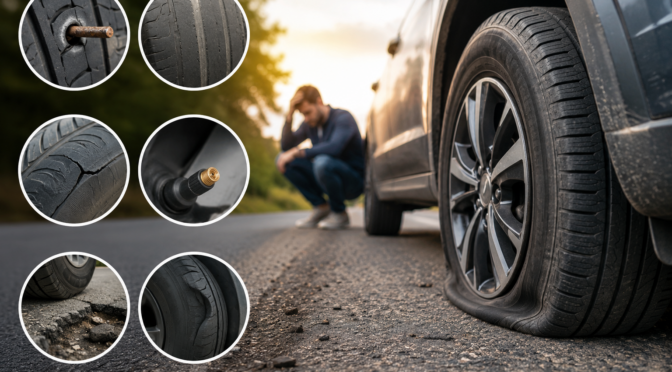
Few vehicle problems are as frustrating as discovering a flat tire when you’re already running late or far from your destination. Whether you’re commuting to work, heading out on a road trip, or simply running errands, a flat tire can quickly disrupt your plans and create unexpected expenses. Many drivers wonder what causes flat tires and whether these incidents can be prevented. The good news is that understanding the most common causes of tire failure can help reduce your risk, improve safety, and extend the life of your tires.

Understanding Why Flat Tires Happen

Most drivers experience Flat Tires at some point, but many are surprised to learn that flats are not always caused by nails or sharp objects. Tires are constantly exposed to road hazards, changing weather conditions, and everyday wear and tear. Over time, even a small issue can develop into a significant problem.

Modern tires are designed to be durable, but they still require regular inspection and maintenance. Understanding the factors that contribute to tire failure can help drivers identify warning signs early and avoid roadside emergencies.

What Causes Flat Tires Most Often?

When people ask what causes flat tires, the answer is rarely limited to a single factor. Several conditions can contribute to a loss of tire pressure or complete tire failure.

Road Debris and Sharp Objects

One of the most common causes of tire punctures is debris on the road. Nails, screws, broken glass, metal fragments, and sharp construction materials can penetrate the tire tread.

Drivers often encounter these hazards in:

  • Construction zones
  • Industrial areas
  • Parking lots
  • Road shoulders
  • Areas with heavy truck traffic

A puncture may cause an immediate loss of air or create a slow leak that becomes noticeable over time.

Tire Wear and Aging

Tires naturally wear down with use. As tread depth decreases, the tire becomes more vulnerable to punctures, blowouts, and other forms of damage.

Even if a vehicle is not driven frequently, tire rubber gradually deteriorates due to age, heat exposure, and environmental conditions. Older tires can develop cracks that weaken their structure and increase the likelihood of failure.

Flat Tire Repair and Why Early Detection Matters

Small Problems Can Become Major Issues

Many drivers ignore minor tire issues because their vehicle still appears to drive normally. However, a slow leak can eventually become a complete flat.

Common warning signs include:

  • Frequent loss of air pressure
  • Uneven tire appearance
  • Vibrations while driving
  • Visible cracks or punctures
  • Reduced handling performance

Prompt flat tire repair can often prevent more expensive replacements and improve overall vehicle safety.

Real-World Example

Consider a driver who notices a tire losing a few pounds of pressure each week. Assuming it’s simply temperature-related, they continue driving without inspection. Weeks later, the tire suffers a complete failure on a busy highway because a small puncture was left untreated.

Early detection and repair could have prevented the situation entirely.

Tire Damage Causes Related to Improper Inflation

One of the most overlooked tire damage causes is incorrect tire pressure.

Underinflation Problems

Underinflated tires create excessive friction with the road surface. This additional heat buildup increases wear and places extra stress on the tire structure.

Potential consequences include:

  • Sidewall damage
  • Reduced fuel efficiency
  • Poor handling
  • Increased blowout risk
  • Shortened tire lifespan

Overinflation Risks

Overinflated tires can be equally problematic. Excessive air pressure reduces the contact patch between the tire and the road.

This may result in:

  • Uneven tread wear
  • Reduced traction
  • Increased susceptibility to impact damage
  • Poor ride comfort

Checking tire pressure regularly remains one of the simplest and most effective maintenance practices.

Tire Safety and the Impact of Road Hazards

Potholes and Rough Roads

Potholes are a major contributor to tire damage across many regions. Striking a pothole at speed can cause immediate or hidden damage.

Common issues include:

  • Sidewall bulges
  • Internal structural damage
  • Bent wheels
  • Air leaks

Even when damage is not immediately visible, impacts can weaken the tire and increase the risk of future failure.

Curbs and Obstacles

Many drivers underestimate how much damage can occur when hitting a curb. The sidewall of a tire is particularly vulnerable because it lacks the protective tread found on the contact surface.

Repeated curb impacts may eventually lead to sidewall cracks or internal damage that contributes to flat tires.

Vehicle Maintenance and Tire Longevity

Why Routine Inspections Matter

Proper vehicle maintenance plays a significant role in preventing tire problems.

During regular inspections, drivers should check for:

  • Uneven wear patterns
  • Embedded objects
  • Sidewall damage
  • Tread depth
  • Proper inflation

Identifying issues early often prevents breakdowns and unexpected repair costs.

Wheel Alignment Issues

Poor wheel alignment can accelerate tire wear significantly.

Signs of alignment problems include:

  • Vehicle pulling to one side
  • Uneven tread wear
  • Steering wheel vibration
  • Reduced handling stability

Over time, excessive wear caused by alignment issues can weaken the tire and increase the likelihood of failure.

Flat Tire Reasons Connected to Weather Conditions

Extreme Heat

Hot weather can place considerable stress on tires. High temperatures increase internal air pressure and accelerate rubber degradation.

During summer months, drivers should pay close attention to tire pressure and condition, especially before long trips.

Cold Weather Effects

Cold temperatures can also affect tire performance.

Potential issues include:

  • Reduced tire pressure
  • Increased rubber stiffness
  • Greater vulnerability to cracking
  • Reduced traction

Seasonal inspections are an important part of tire maintenance.

Roadside Help Situations Caused by Tire Neglect

Many requests for roadside help could be avoided through preventive maintenance.

Common situations include:

  • Driving on worn tires
  • Ignoring low tire pressure warnings
  • Delaying tire replacement
  • Failing to inspect tires before long trips

Professional roadside assistance providers frequently encounter tire-related emergencies that began as minor maintenance concerns.

Drivers who perform routine inspections are often less likely to experience unexpected breakdowns.

Tire Safety Best Practices Every Driver Should Follow

Check Tire Pressure Monthly

A simple monthly pressure check can significantly reduce the risk of tire failure.

Use a reliable tire gauge and compare readings with the manufacturer’s recommended specifications.

Rotate Tires Regularly

Tire rotation promotes even wear and extends tire life.

Most manufacturers recommend rotation every 5,000 to 8,000 miles, although recommendations may vary by vehicle.

Monitor Tread Depth

Adequate tread depth is essential for traction and safety.

Insufficient tread increases the risk of:

  • Hydroplaning
  • Poor braking performance
  • Reduced handling
  • Increased puncture vulnerability

Inspect Tires Before Long Trips

Long-distance travel places additional stress on tires.

Before departing, inspect for:

  • Damage
  • Proper inflation
  • Uneven wear
  • Foreign objects lodged in the tread

This simple step can help prevent many roadside incidents.

Common Misconceptions About Flat Tires

Myth: Only Nails Cause Flat Tires

While punctures are common, many other factors contribute to tire failure, including poor maintenance, weather conditions, impact damage, and aging.

Myth: New Tires Cannot Go Flat

Even brand-new tires can suffer punctures, manufacturing defects, or damage from road hazards.

Myth: Slow Leaks Are Not Serious

Slow leaks often indicate an underlying problem that can worsen over time. Addressing them promptly reduces the risk of a complete flat.

Myth: Tire Pressure Warnings Can Wait

Ignoring warning lights can allow minor issues to become major safety concerns.

Expert Advice for Preventing Flat Tires

Experienced automotive professionals consistently recommend a proactive approach to tire care.

Some practical recommendations include:

  • Inspect tires visually every week
  • Check pressure monthly
  • Avoid potholes whenever possible
  • Replace worn tires promptly
  • Maintain proper wheel alignment
  • Schedule regular tire inspections
  • Remove embedded debris immediately

Drivers who follow these habits often experience fewer tire-related problems and enjoy improved vehicle performance.

How Professional Assistance Can Help

Even the most careful drivers occasionally encounter unexpected tire issues. When a flat occurs, having access to reliable roadside support can make a stressful situation much easier to manage.

Companies such as Express Towing Services frequently assist drivers dealing with flat tires, tire damage, and roadside emergencies. Their experience highlights how many tire failures stem from preventable issues that could have been identified earlier through routine inspections.

For motorists who experience a flat away from home, professional assistance can provide safe and efficient support while minimizing disruption to travel plans. Express Towing Services understands the importance of responding quickly when drivers encounter tire-related breakdowns.

Conclusion

Understanding what causes flat tires is one of the most effective ways to prevent unexpected breakdowns and improve vehicle safety. From road debris and weather conditions to improper inflation and neglected maintenance, many factors contribute to tire failure.

Regular inspections, proper inflation, prompt repairs, and proactive maintenance can significantly reduce the likelihood of experiencing Flat Tires. By paying attention to warning signs and adopting good tire care habits, drivers can improve safety, extend tire life, and avoid costly roadside emergencies.

When unexpected situations do occur, trusted providers like Express Towing Services can offer valuable assistance and help get drivers back on the road safely. Investing a little time in tire care today can save considerable time, money, and stress in the future.

FAQS

1. What causes flat tires most frequently?

The most common causes include punctures from nails or debris, underinflation, overinflation, pothole impacts, worn tread, sidewall damage, and aging tires. Many flat tires result from a combination of these factors rather than a single issue.

2. Can a tire go flat without being punctured?

Yes. Tires can lose air due to valve stem leaks, damaged rims, poor seals, sidewall cracks, temperature changes, or internal structural damage. Not all flat tires are caused by sharp objects.

3. How often should tire pressure be checked?

Experts generally recommend checking tire pressure at least once a month and before any long trip. Consistent monitoring helps identify slow leaks and ensures optimal tire performance.

4. Are potholes really that harmful to tires?

Yes. Potholes can cause sidewall damage, internal tire separation, bent wheels, and air leaks. Even a single severe impact may weaken a tire and increase the risk of future failure.

5. When should a tire be replaced instead of repaired?

A tire should typically be replaced if the damage involves the sidewall, if the puncture is too large, if tread depth is excessively worn, or if the tire shows signs of structural deterioration. A qualified tire professional can determine whether repair or replacement is the safer option.
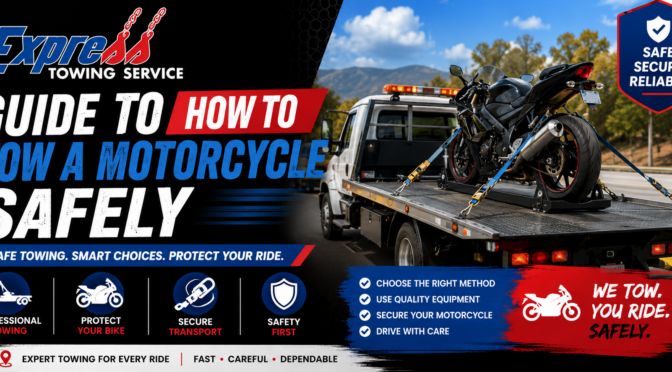
A Step-by-Step Guide to Towing a Motorcycle Safely 

Motorcycle towing comes with some challenges because of its unique balance and weight distribution, which are very different from four-wheelers. Although it might seem that transporting a motorcycle does not require any special knowledge, towing the bike incorrectly may cause serious harm. If your motorcycle breaks down or needs to be transported for another reason, you need to be well aware of motorcycle towing methods

In this guide, you will learn about how to tow a motorcycle safely, along with the most suitable motorcycle towing methods. It is also to be noted that there might be some mistakes commonly found in motorcycle towing, and these need to be avoided. Additionally, the guide will include useful advice from experienced professionals in order to help protect your motorcycle while being towed. 

Why Motorcycle Towing Requires Special Care

As opposed to a car, motorcycles are unstable and more susceptible to damage when being transported. Two wheels create a high risk of imbalance that may cause damage to different parts, such as the suspension system, bodywork, handlebars, and even tires if they aren’t secured properly.

Your motorcycle, if towed incorrectly, may:

  • Shift during transportation;
  • Fall off a trailer or the back of a truck;
  • Pose a danger to the other drivers;
  • Potential cosmetic and mechanical damage.

So if you know about the safety measures related to motorcycle towing, it will be good for you.  Knowing how to tow a motorcycle safely can save you money. 

Best Motorcycle Towing Methods

There are many ways of safely towing a motorbike, each better suited depending on individual situations, budget, and distance.

1. Flatbed Tow Trucks 

Flatbed tow trucks offer a very effective towing service, ensuring vehicle safety. 

Advantages:

  • Upright position of the bike
  • No tire wear during transport
  • Low risk of causing any damage to the bike
  • Good option for long-distance towing

Flatbed stomachs are preferred by companies because they recognize their ability to transport bikes efficiently. 

When to Use It:

  • In case of an accident
  • Long distance travels
  • For luxury motorbikes
  • If the bike is not running

2. Motorbike Trailer

Motorcycle trailers represent another safe and popular towing solution.

Advantages:

  • Tailor-made for motorcycles
  • More suitable for personal transportation
  • Cost-effective for regular users of motorcycles
  • In order to use a motorcycle trailer safely:
  • Lock the front wheel into the wheel chock
  • Use ratchet straps
  • It is ideal for people participating in races, rallies, etc.

3. Motorbike Loading onto a Pickup Truck

Use your pickup truck if you need additional storage. 

  • Using proper ramps, the loading and unloading should be done carefully. 
  • Attach tie-down straps
  • Place your bike in the front corner of your truck
  • Do not let your bike move left and right using wheel chocks. 

4. Pickup Truck Transport

Using a pickup truck can give a good outcome if used correctly. 

  • Use a hard loading ramp
  • Tie the motorcycle with at least four tie-down straps
  • Place the bike in the front corner of the truck bed
  • Prevent sideways movement with wheel chocks

This is a practical solution, but this method should be employed with extra care because loading and unloading might be risky. 

5. Motorcycle Tow Dolly

A tow dolly lifts one wheel off the ground while keeping the other on the road. These can be used for medium speeds and short distances. These are affordable and compact solutions. These are easy short-distance towing. These are not as stable as the trailers and are not suitable for all types of motorcycles. 

Preparing Your Motorcycle for Safe Towing

Before transporting your motorcycle, proper preparation is essential.

Inspect the Motorcycle

Check for:

  • Loose accessories
  • Fluid leaks
  • Tire condition
  • Battery security

Detachable items like saddlebags or phone mounts should be removed in order to prevent damage during transport. 

Use Quality Tie-Down Straps

Cheap straps can cause towing accidents.

Choose:

  • Heavy ratchet straps
  • Soft loops to protect handlebars
  • Straps rated for motorcycle weight

Try to avoid old or faulty straps as they may not function during transit. 

Secure the Motorcycle Properly

When the bike is fastened securely, it should remain upright, and there should not be any excessive movement.

  • Attach straps to strong frame points
  • Avoid attaching to plastic parts
  • Keep the bike centered
  • Tighten straps properly 

Over-tightening of the straps can damage suspension components, while loose straps can allow rapid movement.

Essential Bike Transport Safety Tips

Following proper bike transport safety procedures can prevent accidents and expensive repairs.

Keep the Motorcycle Upright

Motorcycles should always remain upright during towing. Leaning can:

  • Cause oil leaks
  • Stress the suspension
  • Damage bodywork

Using a wheel chock helps maintain stability.

Check Straps Frequently

Straps may loosen due to road vibration.

During long trips:

  • Stop every 50–100 miles
  • Recheck strap tension
  • Inspect wheel positioning

This simple step dramatically improves towing safety.

Drive Carefully

When towing a motorcycle:

  • Avoid sudden braking
  • Take turns slowly
  • Accelerate gradually
  • Maintain extra following distance

Smooth driving reduces shifting and protects the motorcycle.

Protect the Motorcycle from the Weather

Rain, dust, and road debris can damage exposed motorcycles.

Consider using:

  • A breathable motorcycle cover
  • Weather-resistant protective film
  • Soft padding around sensitive areas

This is especially important for long-distance towing.

Common Motorcycle Towing Mistakes to Avoid

Even experienced riders make towing mistakes. Avoiding these common errors can save money and prevent accidents.

Using Incorrect Tie Points

Attaching straps to mirrors, handlebars, or fragile components can cause serious damage.

Always Use:

  • Frame-mounted points
  • Triple clamps
  • Designated towing areas

Motorcycle Tow Dolly

A tow dolly lifts one wheel off the ground while the other remains on the road.

Pros:

  • Compact and affordable
  • Easy for short-distance towing

Cons:

  • Less stable than trailers
  • Not suitable for all motorcycles

Tow dollies should only be used for short distances and moderate speeds.

Preparing Your Motorcycle for Safe Towing

Before transporting your motorcycle, proper preparation is essential.

Inspect the Motorcycle

Check for:

  • Loose accessories
  • Fluid leaks
  • Tire condition
  • Battery security

Removing detachable items like saddlebags or phone mounts can prevent damage during transport.

Use Quality Tie-Down Straps

Cheap straps are one of the leading causes of towing accidents.

Choose:

  • Heavy-duty ratchet straps
  • Soft loops to protect handlebars
  • Straps rated for motorcycle weight

Avoid worn or frayed straps because they may snap during transit.

Secure the Motorcycle Properly

A securely fastened bike should remain upright without excessive movement.

Key Securing Tips:

  • Attach straps to strong frame points
  • Avoid attaching to plastic parts
  • Keep the bike centered
  • Tighten straps evenly

Proper strap tension is crucial. Over-tightening can damage suspension components, while loose straps can allow dangerous movement.

Essential Bike Transport Safety Tips

Following proper bike transport safety procedures can prevent accidents and expensive repairs.

Keep the Motorcycle Upright

Motorcycles should always remain upright during towing. Leaning can:

  • Cause oil leaks
  • Stress the suspension
  • Damage bodywork

Using a wheel chock helps maintain stability.

Check Straps Frequently

Straps may loosen due to road vibration.

During Long Trips:

  • Stop every 50–100 miles
  • Recheck strap tension
  • Inspect wheel positioning

This simple step dramatically improves towing safety.

Drive Carefully

When towing a motorcycle:

  • Avoid sudden braking
  • Take turns slowly
  • Accelerate gradually
  • Maintain extra following distance

Smooth driving reduces shifting and protects the motorcycle.

Protect the Motorcycle from Weather

Rain, dust, and road debris can damage exposed motorcycles.

Consider Using:

  • A breathable motorcycle cover
  • Weather-resistant protective film
  • Soft padding around sensitive areas

This is especially important for long-distance towing.

Conclusion: Learning the Best Motorcycle Towing Methods

Learning how to tow a motorcycle safely is a useful skill. Knowing the proper methods can help tow your motorcycle all by yourself effectively without causing any harm. By practicing smart vehicle safety habits and using recommended equipment, you can avoid accidents and also protect your motorcycle from damage.

FAQS

1. What is the safest way to tow a motorcycle?

The safest way to tow a motorcycle is by using a flatbed tow truck or a motorcycle trailer. These motorcycle towing methods keep the bike upright and reduce movement. 

2. Can I tow a motorcycle using a pickup truck?

Yes, a pickup truck can be used for motorcycle transport if proper bike transport safety measures are followed. Use a strong loading ramp, wheel chocks, and at least four heavy-duty tie-down straps to secure the motorcycle properly.

3. How often should I check the straps during motorcycle towing?

During long-distance towing, you should stop every 50–100 miles to inspect the tie-down straps and wheel positioning.

4. What are the most common motorcycle towing mistakes?

Common mistakes include using weak straps, attaching tie-downs to fragile parts, over-tightening the suspension, and ignoring towing weight limits. 

5. Why is keeping a motorcycle upright important during towing?

Keeping the motorcycle upright helps prevent oil leaks, suspension stress, and body damage. Using wheel chocks and proper towing equipment ensures better stability and safer motorcycle towing throughout the journey.

How Mobile Car Locksmith Services Work

Today’s Mobile Car Locksmith Services are far more advanced than many people realize. They are not simply locksmiths carrying a toolbox. Modern mobile locksmith professionals operate fully equipped service vehicles capable of handling complex automotive lock and key problems on-site. From programming transponder keys to unlocking vehicles without damage, they provide fast, specialized support wherever drivers are stranded.

At Express Towing Services, roadside professionals often work alongside locksmith specialists and understand firsthand how critical fast response times and technical expertise are during vehicle emergencies.

What Is a Mobile Car Locksmith?

A mobile car locksmith is an automotive lock and key specialist who travels directly to the customer’s location rather than working only from a physical shop.

Unlike traditional locksmiths who mainly focus on residential or commercial locks, a professional car locksmith specializes in vehicle security systems, including:

  • Car lockouts
  • Broken key extraction
  • Transponder key programming
  • Smart key replacement
  • Ignition repair
  • Key fob reprogramming
  • Remote unlocking
  • Lock repair
  • Emergency key cutting

Their service vehicles act as mobile workshops equipped with diagnostic tools, cutting machines, programming software, and specialized automotive unlocking equipment.

This mobility is what makes the service so valuable. Drivers do not need to tow the vehicle to a dealership or wait days for replacement keys.

Why Mobile Locksmith Services Have Become Essential

Modern vehicles are significantly more advanced than older cars. In the past, replacing a lost key was relatively simple. Today, many vehicles include:

  • Immobilizer systems
  • Encrypted transponder chips
  • Push-button start technology
  • Smart proximity keys
  • Electronic steering locks
  • Digital anti-theft systems

Because of this complexity, drivers increasingly rely on professional auto locksmith services rather than attempting DIY solutions.

Mobile locksmiths bridge the gap between convenience and technical expertise by bringing dealership-level capabilities directly to the vehicle owner.

How Mobile Car Locksmith Services Work Step by Step

The Initial Emergency Service Call

Most mobile locksmith jobs begin with an urgent phone call.

The locksmith typically asks several questions before dispatching assistance:

  • Vehicle make and model
  • Vehicle year
  • Current location
  • Nature of the problem
  • Whether keys are lost, broken, or locked inside
  • Whether the vehicle uses a smart key system

This information helps determine which tools and programming equipment are needed.

A professional emergency locksmith service also verifies vehicle ownership before unlocking or creating new keys. This is an important security measure that protects vehicle owners from unauthorized access.

Dispatching a Mobile Locksmith Vehicle

Once the locksmith confirms the issue, a technician is dispatched in a fully equipped mobile unit.

These vehicles often contain:

  • Key-cutting machines
  • Lock decoding tools
  • Diagnostic scanners
  • Programming tablets
  • Transponder chip equipment
  • Replacement key blanks
  • Ignition repair tools
  • Lock repair kits

This setup allows the locksmith to perform most services on-site without towing the vehicle elsewhere.

For stranded motorists, especially during bad weather or late-night situations, this mobile approach saves significant time and stress.

Vehicle Entry Without Damage

One of the biggest misconceptions about locksmiths is that they force doors open. Professional mobile locksmiths use non-destructive methods designed to avoid damage to the vehicle.

Common vehicle entry tools include:

Air Wedges

These create a small gap between the door and frame safely.

Long Reach Tools

These help unlock doors internally without damaging electronic systems.

Lock Decoding Tools

Experienced locksmiths understand how different manufacturers design vehicle locks. Techniques used on one model may not work safely on another.

These analyze the lock structure to create a matching key without dismantling the system.

This is why professional training matters so much in modern Mobile Car Locksmith Services.

Emergency Service Situations Mobile Locksmiths Handle

Locked Keys Inside the Vehicle

This remains one of the most common service calls.

Modern vehicles sometimes auto-lock unexpectedly, especially when electronic fobs malfunction or batteries weaken.

Professional locksmiths can usually regain entry within minutes without breaking windows or damaging locking systems.

Lost or Stolen Car Keys

When keys are completely lost, locksmiths can often create new keys from scratch using the vehicle identification number (VIN), lock decoding methods, or onboard programming systems.

This process may include:

  • Cutting a new physical key
  • Programming a transponder chip
  • Pairing a smart key to the vehicle
  • Deleting old keys from the system for security

This is especially important after theft situations.

Broken Keys in Ignition or Door Locks

Keys can snap due to wear, metal fatigue, or frozen locks.

Professional locksmiths use extraction tools specifically designed to remove broken fragments without damaging the ignition cylinder.

After removal, they can usually create a replacement key immediately.

Ignition Problems and Lock Repair

Many people assume ignition problems always require a mechanic. In reality, locksmiths frequently handle ignition-related issues.

This includes:

  • Jammed ignitions
  • Worn ignition wafers
  • Key turning problems
  • Damaged lock cylinders
  • Steering lock malfunctions

An experienced auto locksmith can often complete the necessary lock repair on-site, avoiding expensive dealership repairs.

How Locksmiths Program Modern Car Keys

Understanding Transponder Technology

Most vehicles manufactured after the late 1990s use transponder keys.

These keys contain a microchip that communicates with the vehicle’s immobilizer system. Without proper programming, the engine will not start even if the key physically turns.

Programming requires specialized software and manufacturer-compatible diagnostic equipment.

Smart Keys and Push-Button Start Systems

Newer vehicles use proximity-based smart keys rather than traditional metal keys.

Mobile locksmiths can often:

  • Program replacement smart keys
  • Reconfigure remote systems
  • Sync push-start functionality
  • Replace malfunctioning key fobs

Because every manufacturer uses different encryption systems, advanced locksmiths continuously update their tools and software.

This technical expertise is one reason professional Mobile Car Locksmith Services have become increasingly specialized.

The Importance of Remote Area Locksmith Support

Why Remote Area Locksmith Services Matter

Vehicle lockouts in cities are frustrating. In remote locations, they can become serious safety concerns.

A qualified remote area locksmith plays a critical role for drivers traveling through regional highways, isolated roads, or rural communities.

Remote response services are particularly valuable when:

  • Fuel stations are far away
  • Mobile reception is limited
  • Temperatures are extreme
  • Towing access is difficult
  • Dealerships are unavailable nearby

In many rural situations, mobile locksmiths coordinate closely with roadside assistance providers and towing operators to reach stranded drivers quickly.

Challenges Locksmiths Face in Remote Locations

Working in remote environments presents additional complications:

Limited Connectivity

Programming systems may require offline capabilities.

Long Travel Distances

Technicians often carry wider inventories of key blanks and parts.

Harsh Weather Conditions

Rain, heat, or freezing temperatures can affect lock systems and electronics.

Older Vehicle Models

Regional areas may have more older vehicles with worn locking systems requiring custom solutions.

Experienced locksmiths prepare differently for these environments compared to urban service calls.

Common Mistakes Drivers Make During Lockouts

Trying DIY Entry Methods

Online tutorials often encourage unsafe lockout methods.

Drivers commonly damage:

  • Door seals
  • Window mechanisms
  • Paintwork
  • Electronic wiring
  • Airbags inside door panels

Modern vehicles are far more sensitive than older models.

Professional emergency service providers use purpose-built tools specifically designed for automotive systems.

Using Unqualified Locksmiths

Not all locksmiths specialize in vehicles.

Hiring inexperienced operators can lead to:

  • Damaged locks
  • Failed key programming
  • Electrical issues
  • Security system problems
  • Expensive dealership repairs later

Always choose an automotive-focused locksmith with experience handling your vehicle type.

Ignoring Early Key Problems

Many drivers continue using damaged or bent keys until they eventually snap.

Warning signs include:

  • Difficulty turning the key
  • Delayed ignition response
  • Cracked key heads
  • Loose transponder casings
  • Sticky door locks

Replacing keys early is far cheaper than emergency extraction and ignition repairs.

Expert Tips From Real-World Locksmith Experience

Keep a Spare Key Outside the Vehicle

Avoid hiding spare keys inside wheel wells or under mats. These locations are widely known.

Instead:

  • Leave a spare with a trusted person
  • Use secure key storage solutions
  • Consider digital tracking keychains

Replace Weak Key Fob Batteries Early

Many lockout situations occur because drivers mistake dead fob batteries for major lock failures.

If your remote becomes inconsistent:

  • Replace batteries immediately
  • Keep spare batteries available during travel
  • Test backup manual key access

Save an Emergency Locksmith Service Contact Before You Need One

During emergencies, drivers often search online under stress and choose the first available provider.

Researching reliable locksmiths in advance helps avoid scams and unnecessary delays.

How Long Does a Mobile Locksmith Take?

Response times vary depending on:

  • Traffic conditions
  • Weather
  • Distance
  • Vehicle complexity
  • Availability of replacement parts

In urban areas, many locksmiths arrive within 30–60 minutes.

Complex smart key programming may take longer than basic lockouts.

Remote region calls naturally require additional travel time, especially for remote area locksmith support.

Are Mobile Locksmith Services Safe for Modern Vehicles?

Yes — when performed by qualified professionals.

Experienced locksmiths use:

  • Manufacturer-approved programming systems
  • Non-destructive entry tools
  • Secure verification procedures
  • Proper lock repair methods

Professional automotive locksmiths understand the security architecture of modern vehicles and work carefully to avoid damage.

The Future of Mobile Car Locksmith Services

Vehicle security technology continues evolving rapidly.

Modern locksmiths increasingly work with:

  • Biometric vehicle access
  • App-connected vehicles
  • Digital key systems
  • Advanced encryption
  • Cloud-based diagnostics

As automotive technology grows more sophisticated, the role of the auto locksmith continues expanding beyond traditional key cutting.

Future mobile locksmith services will likely involve even greater integration with vehicle software systems and digital security platforms.

Conclusion

Understanding how mobile car locksmiths work helps drivers respond more calmly and confidently during stressful vehicle lock situations.

Modern Mobile Car Locksmith Services combine technical expertise, advanced diagnostic tools, and rapid on-site response capabilities to solve issues that once required dealerships or expensive towing.

At Express Towing Services, roadside professionals regularly see how valuable experienced automotive locksmith support becomes during real-world emergencies. The right expertise not only saves time — it can also prevent unnecessary vehicle damage and costly repairs.

Locked Your Keys in the Car? Here’s What to Do

Getting locked out of your car can be a real headache, especially when you’re unsure what to do when keys locked in car scenarios occur unexpectedly. Whether you are at home, work, or stranded on the roadside, acting quickly and safely is essential to avoid further complications. At Express Towing Service Corporation, we provide reliable car lockout help across Canada, ensuring drivers regain access to their vehicles without damage. With professional support, you can resolve the situation efficiently and securely.

Unlocking Car Safely Without Damage Requires Professional Precision

Modern vehicles are equipped with advanced locking systems, making DIY unlocking attempts risky and potentially damaging. Professional intervention ensures that your vehicle remains intact while resolving the issue. Experienced technicians specialise in unlocking cars safely, using non-invasive tools and proven techniques to access your vehicle without harming locks, windows, or internal systems.

  • Use of specialized lockout tools designed for non-destructive vehicle entry

Tools such as slim jims, air wedges, and long-reach devices allow professionals to unlock doors without causing scratches or mechanical damage.

  • Application of precise techniques tailored to different vehicle locking systems

Each vehicle model requires a unique approach, ensuring safe and effective unlocking every time.

  • Minimising risk of damage to electronic locking systems and security features

Professional handling protects sensitive components, preserving your vehicle’s functionality.

Emergency Car Lockout Help When You Need It Most

Lockouts often happen at inconvenient times, requiring immediate assistance to ensure safety and convenience. Reliable car lockout help is essential for quick resolution. Professional teams are equipped to handle emergencies efficiently, ensuring drivers receive prompt support regardless of location or time.

  • Rapid response services to address urgent lockout situations efficiently

Quick arrival reduces waiting time and helps you get back on the road without delay.

  • Availability of emergency car lockout help for roadside and residential locations

Services are designed to assist wherever the lockout occurs.

  • Expert handling of high-pressure situations to ensure safe and calm resolution

Trained professionals manage emergencies effectively, providing reassurance and reliability.

Emergency Car Lockout Service

Addressing what to do when keys are locked in a car requires a combination of expertise, tools, and safety awareness. Professional services ensure effective solutions tailored to different scenarios. Using advanced techniques and equipment, experts provide reliable car lockout solutions while maintaining vehicle safety and integrity.

Step-by-Step Guide for Locked Keys in Car Solutions

Knowing the correct steps can help you stay safe and avoid unnecessary damage while waiting for assistance.

  • Stay calm and assess your surroundings to ensure personal safety before taking action

Evaluating your environment helps you decide the safest course of action while waiting for professional help.

  • Check for alternative access points such as spare keys or unlocked doors

This can provide a quick solution without requiring professional intervention.

  • Contact a professional service provider for reliable car lockout help immediately

Expert assistance ensures safe and efficient unlocking without causing damage.

Tools and Equipment Used for Safe Car Unlocking

Professional lockout services rely on specialised tools and advanced equipment to ensure precision and safety during operations.

  • Air wedges and long-reach tools for controlled and damage-free door access

These tools create space and allow technicians to unlock doors without forcing components.

  • Electronic diagnostic tools for vehicles with advanced locking systems

Ensures compatibility with modern vehicles and prevents system malfunctions.

  • Protective materials to prevent scratches or damage during the unlocking process

Maintain the condition of your vehicle’s exterior and interior.

Safety Standards and Compliance in Car Lockout Services

Adhering to safety standards is essential for ensuring reliable and secure lockout solutions. Professional services follow strict protocols to protect both the vehicle and the driver.

  • Compliance with industry safety guidelines and vehicle handling standards

Ensures all procedures are performed safely and responsibly.

  • Use of certified tools and trained technicians for secure operations

Guarantees high-quality service and minimal risk.

  • Implementation of safety checks during and after unlocking procedures

Confirms that the vehicle is fully functional and undamaged.

Preventing Future Car Lockout Situations – How to Unlock Car Without Damage

Taking preventive measures can help reduce the likelihood of experiencing a lockout in the future. Awareness and preparation are key to avoiding inconvenience.

  • Keeping a spare key in a secure and accessible location for emergencies

Provides a quick solution without needing professional assistance.

  • Using key tracking devices or smart key systems for added convenience

Helps locate keys quickly and reduces the risk of loss.

  • Developing habits such as checking keys before locking the vehicle

Simple practices can prevent accidental lockouts.

Why Choose Express Towing Service Corporation 

Selecting a reliable service provider ensures that lockout situations are handled efficiently and safely. Express Towing Service Corporation is committed to delivering professional solutions across Canada.

  • Expert assistance for what to do when keys locked in car situations with proven techniques

Our team ensures quick and effective resolution.

  • Reliable car lockout help services available for emergency situations

We provide prompt support when you need it most.

  • Focus on unlocking car safely without causing damage to your vehicle

Our methods prioritise safety and precision.

  • Use of advanced tools and equipment for efficient unlocking processes

Ensures accurate and damage-free results.

  • Experienced professionals trained to handle all vehicle types and lock systems

Guarantees consistent and dependable service.

  • Commitment to customer safety, satisfaction, and reliable service delivery

We ensure a stress-free experience during emergencies.

Regain Access Quickly and Safely

Understanding what to do when keys are locked in a car can make a significant difference in how quickly and safely the issue is resolved. Acting calmly and relying on professional support ensures the best outcome. Express Towing Service Corporation provides dependable car lockout help, focusing on unlocking cars safely and efficiently, so you can get back on the road with confidence.

Battery Boost vs Replacement: What’s Better?

When your vehicle refuses to start, understanding battery boost vs battery replacement becomes critical for making the right decision quickly. In Canada’s extreme weather conditions, battery performance can decline rapidly, leaving drivers stranded without warning. Express Towing Service Corporation provides reliable roadside diagnostics and solutions, helping you choose between a quick fix and a long-term replacement based on real-time battery health and safety standards.

Car Battery Service That Keeps You Moving Without Delays

A professional car battery service goes beyond simply restarting your vehicle—it involves detailed diagnostics, safety compliance, and performance evaluation. Choosing between jumpstart vs new battery depends on the condition of your battery, charging system, and overall vehicle maintenance practices.

  • Comprehensive Battery Diagnostics Using Advanced Tools

With tools like digital battery testers, technicians check how much power a battery holds, its internal resistance, and one way they also test charging speed using multimeters alongside load tests. A clear reading helps decide if the battery needs just a quick recharge or must be replaced entirely, since spotting weakness early cuts down chances of sudden failure while keeping vehicles running smoothly.

  • Safety-Compliant Jumpstart Procedures

Starting a car with low power means following clear steps to stay safe – like hooking up wires right, wearing protected gloves, because skipping these risks harming electronics inside the machine; yet help from trained responders brings reliable results while keeping everything under control. Because mistakes might fry circuits, since gear reacts badly when hooked wrong, though experts move fast using tools built for shocks that guard every part along the way.

When a Battery Boost Is the Right Choice

A battery boost, also known as a jumpstart, is ideal in temporary failure scenarios where the battery still retains usable life. Understanding jumpstart vs new battery helps drivers avoid unnecessary expenses while ensuring immediate mobility.

  • Temporary Power Loss Due to Environmental Conditions

When winter hits hard in Canada, batteries often lose strength fast. Though they seem dead, it might just be the cold slowing things down. Getting a skilled jump start brings life back right away. Once running, the car’s charging system takes over naturally. If nothing inside is broken for good, this method saves time and money too. Cold weather tricks many into thinking the worst – yet help exists without replacing parts.

  • Short-Term Electrical Drain Situations

Leaving headlights or interior electronics on can drain your battery overnight. In such cases, a boost provides a quick recovery without requiring replacement. This approach aligns with practical battery life tips, helping extend usability without immediate investment.

Roadside Service: Reliable Support Anytime, Anywhere

As professional service providers, we assess not only the battery but also the overall electrical system to prevent recurring failures.

  • Integrated Roadside Service Solutions for Emergencies

Parked by the shoulder, help arrives with tools to jump-start a dead battery plus scan key systems on the spot. A tech tests how hard the alternator works while watching power demands across circuits so errors in judgment stay low. Spotting root causes early keeps vehicles from failing again without reason, saving cash that would vanish into wrong fixes.

  • Preventive Vehicle Maintenance for Extended Battery Life

Routine checks, proper charging cycles, and avoiding deep discharges are key battery life tips. Maintenance services ensure your battery operates within optimal parameters, reducing the likelihood of sudden failure and improving long-term performance.

Signs You Need a Battery Replacement Instead

When things feel off for just a moment, a quick charge might help. Yet some situations mean the battery must go – right away – for everyone’s safety and steady power. Skip that step, and problems come back, sometimes leaving you stuck where you shouldn’t be.

  • Consistent Failure to Hold Charge

A failing battery that won’t hold a boost likely has worn-out internals. When cold weather hits, steady performance matters – so swapping it out makes sense. What once worked smoothly now struggles without warning. Over time, weak cells sap strength until the system falters again.

  • Corrosion and Physical Battery Damage

Visible corrosion on terminals or swelling of the battery casing indicates chemical imbalance and potential safety hazards. Replacing the battery eliminates risks of leakage, electrical failure, and damage to surrounding components.

Cost Comparison: Boost vs Replacement

Cost plays a significant role in deciding between battery boost and replacement, but it should always be weighed against reliability and long-term performance. Understanding jumpstart vs new battery helps drivers make financially and technically sound decisions.

  • Lower Immediate Cost of Battery Boost Services

A battery boost is a quick and affordable solution for temporary issues. It requires minimal time and equipment, making it ideal for emergency roadside situations where immediate mobility is the priority without high upfront expenses.

  • Long-Term Value of Battery Replacement

Although replacement involves higher initial cost, it provides consistent performance and eliminates recurring breakdowns. Investing in a new battery reduces long-term expenses and ensures reliability, particularly in demanding Canadian driving conditions.

When to Call Express Towing Service Corporation

Knowing when to seek professional help can prevent minor issues from escalating into major breakdowns. Timely intervention ensures both safety and efficiency in resolving battery-related problems.

  • Unexpected Breakdown in Remote or High-Traffic Areas

If your vehicle fails in an unsafe location, immediate roadside assistance is essential. Professional technicians arrive equipped with boosting tools and replacement options, ensuring quick resolution and minimizing disruption to your schedule.

  • Recurring Battery Issues Despite Maintenance Efforts

If problems persist even after following battery life tips, it indicates deeper system issues. Expert diagnostics identify the root cause, ensuring the correct solution—whether boost or replacement—is applied effectively.

Choose the Right Solution with Confidence

Express Towing Service Corporation combines advanced diagnostic tools, certified technicians, and rapid roadside service to deliver dependable battery solutions across Canada. Whether you need a quick boost or a full replacement, their expertise ensures your vehicle remains safe, compliant, and ready for the road. Understanding battery boost vs battery replacement is essential for making the right call during emergencies. With professional support, you can avoid unnecessary costs, extend battery life, and ensure uninterrupted driving performance in all conditions.

Signs Your Car Battery Is About to Fail

Understanding the signs your car battery is failing is essential to avoid unexpected breakdowns and costly roadside emergencies. At Express Towing Service Corporation, we regularly assist drivers across Canada who face sudden battery issues due to overlooked warning indicators. By recognising weak car battery symptoms early and scheduling a timely battery health check, we help you stay prepared, safe, and confident on the road.

Why Early Battery Diagnosis Prevents Breakdowns

Car batteries rarely fail instantly—they show gradual performance decline that many drivers ignore. Early detection allows us to intervene before a complete failure occurs. Monitoring weak car battery symptoms ensures your vehicle remains reliable and avoids inconvenient disruptions.

  • Progressive power loss affecting ignition and onboard electrical systems performance

We often identify early-stage battery decline through reduced starting efficiency, helping prevent complete failure with timely intervention.

  • Increased likelihood of roadside breakdowns without proactive battery health monitoring

Ignoring early warning signs can leave drivers stranded, making regular battery health check services essential for safety.

Symptoms of Failing Car Battery

Recognising the signs begins with identifying common operational symptoms. These indicators reflect reduced battery capacity and declining performance. We recommend addressing these weak car battery symptoms before they worsen.

  • Slow engine crank during ignition, especially noticeable in cold or demanding conditions

This indicates insufficient battery output, and we typically recommend a battery health check to confirm the issue early.

  • Dimming headlights and inconsistent performance of electronic components while driving

These fluctuations suggest unstable power delivery and signal that the battery may be nearing failure.

Car Battery Warning Signs

A flicker on the dashboard might mean trouble ahead. When headlights dim without reason, it could point to a weakening system. Most drivers notice something feels off during cold starts. Ignoring odd sounds when turning the key tends to lead to bigger problems later. Each symptom ties back to power delivery slipping down. Acting fast usually prevents being stuck somewhere inconvenient.

  • Corrosion buildup around battery terminals reducing electrical conductivity and efficiency

This is a common issue that affects performance and is one of the clear weak car battery symptoms requiring attention.

  • Electrical inconsistencies such as flickering lights or malfunctioning dashboard indicators

These signs indicate unstable voltage output and the need for a professional battery health check.

How to Know If Car Battery Is Dying

Most times, a struggling engine hints at trouble under the hood. When lights dim without reason, something deeper might be shifting. Testing reveals what small glitches suggest slowly. Each symptom gains weight when seen together. Tools help us see what eyes cannot catch easily.

  • Repeated ignition failures or delayed engine start even under normal driving conditions

This is a strong indication of battery deterioration and confirms signs your car battery is failing.

  • Battery unable to retain charge after driving or recharging attempts consistently

This suggests internal wear or damage, requiring replacement to restore reliable performance.

Tools and Equipment We Use for Battery Health Check

Accurate diagnostics require specialised tools that measure battery performance under real conditions. We use advanced equipment to ensure precise results.

  • Digital battery analysers for measuring voltage, charge capacity, and performance levels

These tools allow us to detect issues early and recommend whether repair or replacement is necessary.

  • Load testing systems that simulate real driving conditions to assess battery reliability

This ensures your battery performs effectively under actual usage scenarios.

Safety Standards We Follow During Battery Inspection

Handling vehicle batteries requires strict adherence to safety protocols due to electrical and chemical risks. We prioritise safety in every inspection.

  • Use of protective equipment and safe handling procedures during battery diagnostics

This reduces risks associated with electrical exposure and ensures safe service delivery.

  • Compliance with automotive safety standards and environmental disposal regulations

We follow proper guidelines to ensure safe handling and environmentally responsible practices.

Emergency Situations Caused by Battery Failure

Battery failure can occur unexpectedly and lead to critical situations. We regularly respond to such emergencies across Canada.

  • Vehicle breakdowns in high-traffic or remote areas due to sudden battery failure

These scenarios require immediate assistance to ensure driver safety and restore mobility.

  • Inability to start the vehicle during urgent situations or extreme weather conditions

This highlights the importance of recognising the signs your car battery is failing early.

How We Help You Stay Prepared

At Express Towing Service Corporation, we provide proactive and emergency solutions for battery-related issues. Our goal is to keep you moving safely.

  • Comprehensive battery health check services to detect and resolve issues early

We help you avoid breakdowns by identifying problems before they escalate into major failures.

  • Reliable roadside assistance for immediate support during battery-related emergencies

Our team responds quickly to get you back on the road with minimal disruption.

Why Choose Express Towing Service Corporation

We combine expertise, advanced tools, and responsive service to deliver dependable roadside support.

  • Experienced technicians trained in diagnosing and resolving battery performance issues efficiently

We ensure accurate solutions tailored to your vehicle’s condition and requirements.

  • Fast response times across Canada ensuring reliable assistance when you need it most

Our team prioritises your safety and convenience in every situation.

Stay Ahead of Battery Failure with Expert Support

Recognising the signs your car battery is failing allows you to take preventive action and avoid stressful situations. By monitoring battery symptoms and scheduling a regular battery health check, you can maintain vehicle reliability. At Express Towing Service Corporation, we are committed to providing expert diagnostics and dependable roadside assistance, ensuring you stay safe and prepared on every journey.

Vehicles That Must Be Towed Using a Flatbed

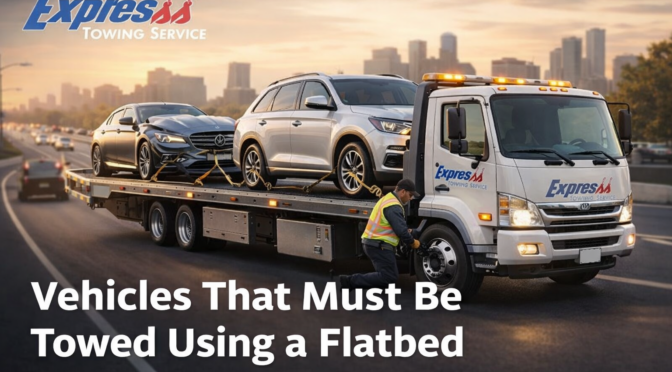
Certain vehicles require specialised handling to ensure safe transportation, and understanding vehicles that require flatbed towing is essential for preventing damage during transit. Unlike traditional towing methods, flatbed towing keeps all wheels off the ground, reducing wear and eliminating risk to sensitive components. For owners seeking car towing or handling unique vehicle conditions, this method is widely recommended. In urban environments like Ottawa, professional towing services ensure that vehicles are transported securely using advanced equipment and trained operators. Whether it involves high-end vehicles, damaged cars, or low-clearance designs, flatbed towing provides the safest and most reliable solution.

Why Precision Handling Matters 

Flatbed towing is designed to offer maximum protection during transportation. By loading the entire vehicle onto a platform, it eliminates road contact and minimises mechanical strain.

Key advantages include:

  • Complete vehicle protection during transport

Flatbed systems ensure that all four wheels remain off the ground, preventing drivetrain damage and unnecessary tyre wear. This is particularly important for luxury car towing, where maintaining pristine condition is essential for value retention.

  • Safe handling of damaged or non-operational vehicles

Vehicles involved in accidents or breakdowns can be safely loaded without requiring them to move. This reduces the risk of further structural or mechanical damage during recovery.

  • Enhanced stability and secure positioning

Advanced securing systems, including straps and hydraulic lifts, keep vehicles stable throughout transit. This ensures safe delivery even on uneven roads or long-distance routes.

Designed for Special Cases – Low Clearance Vehicle Towing

Low-profile vehicles and modified cars often face challenges with traditional towing methods. Flatbed solutions are specifically suited for such conditions.

Why low-clearance vehicles need flatbeds:

  • Prevention of undercarriage damage

Sports cars and modified vehicles have minimal ground clearance, making them vulnerable to scraping. Flatbed towing eliminates this risk by providing a smooth loading surface.

  • Controlled loading with hydraulic systems

Modern flatbeds use hydraulic ramps to ensure gradual loading without abrupt angles. This protects delicate components and ensures safe positioning.

  • Ideal solution for luxury and performance vehicles

Owners relying on luxury car towing benefit from flatbeds as they maintain vehicle integrity and avoid unnecessary stress on suspension systems.

Understanding Critical Scenarios 

Not all vehicles can be safely transported using standard towing methods. Certain conditions demand the use of flatbeds for optimal safety.

Common situations include:

  • All-wheel-drive and four-wheel-drive vehicles

These vehicles can suffer drivetrain damage if towed with wheels on the ground. Flatbed towing prevents internal stress and ensures proper handling.

  • Severely damaged or immobilised vehicles

Accident-damaged cars often cannot roll or steer properly. Flatbeds allow safe recovery without further impact on structural components.

  • High-value and exotic vehicles

For luxury car towing, flatbeds provide the highest level of protection, ensuring that vehicles arrive without scratches, dents, or mechanical strain.

Safe & Controlled Vehicle Transport Solutions

Vehicle Safety in Flatbed Towing

Flatbed towing prioritizes vehicle safety by eliminating contact with the road. This reduces risks associated with debris, uneven surfaces, and sudden braking during transit.

Transport Towing for Controlled Vehicle Movement

Transport towing using flatbeds ensures smooth and controlled vehicle movement. It is particularly effective for long-distance transportation where stability and consistency are critical.

Recovery Solutions for Damaged or Immobilized Vehicles

Recovery operations benefit from flatbed systems as they allow damaged vehicles to be lifted and secured without additional stress. This ensures efficient handling during emergencies.

Tools, Equipment, and Safety Standards in Flatbed Towing

As a provider of professional towing services, we rely on advanced tools and strict safety protocols to ensure reliable performance.

Essential components include:

  • Hydraulic flatbed systems for controlled loading

These systems allow smooth lifting and positioning of vehicles, reducing the risk of sudden impact or imbalance during loading.

  • Heavy-duty securing straps and anchoring systems

Vehicles are firmly secured to prevent movement during transit. This ensures safety even on rough or uneven roads.

  • Compliance with transport and safety regulations

We follow strict guidelines related to load handling, road safety, and vehicle protection, ensuring consistent service quality.

  • Specialized towing equipment for diverse vehicle types

From luxury cars to damaged vehicles, the right tools ensure efficient and safe handling across different scenarios.

Problem-Solution Approach to Towing Challenges

Vehicle owners often face challenges when transporting specialized or damaged vehicles. Flatbed towing provides effective solutions to these problems.

Common challenges and solutions:

  • Risk of damage during traditional towing

Flatbed systems eliminate road contact, reducing wear and preventing mechanical issues.

  • Difficulty transporting non-operational vehicles

Hydraulic loading allows safe handling without requiring vehicle movement.

  • Concerns about luxury vehicle protection

Luxury car towing using flatbeds ensures maximum care and preserves vehicle condition.

Why Professional Flatbed Towing is the Preferred Choice

Choosing a professional service ensures that vehicles are handled with expertise and precision. Companies like Express Towing Service Corporation use advanced equipment and trained operators to deliver reliable results.

Improved safety and reduced risk of damage are key advantages of flatbed towing, as it minimizes exposure to road hazards while ensuring secure and stable transport. It also enables efficient handling of complex towing scenarios, from accident recovery to specialized vehicle transport, with solutions tailored to each situation. Additionally, reliable service delivery in emergency situations ensures quick response times and the use of proper equipment, providing timely assistance when it matters most.By understanding vehicles that require flatbed towing, vehicle owners can make informed decisions that protect their investment. With the right approach, tools, and our expertise, flatbed towing remains the safest and most effective solution for modern vehicle transportation needs.

Does Insurance Cover Accident Towing in Canada?

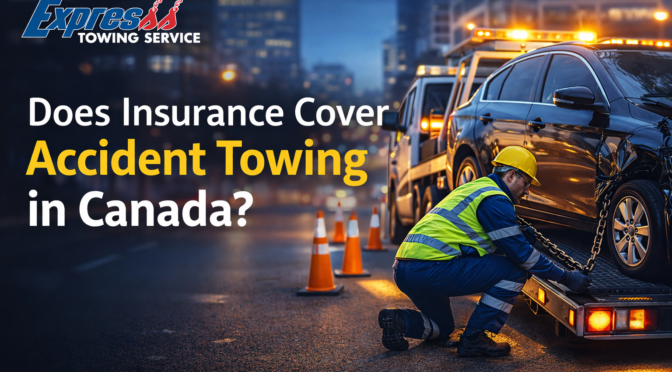
After a road accident, one of the most common questions drivers ask is does insurance cover accident towing. When a vehicle is rendered immobile due to a collision, one needs professional towing services that will safely take the vehicle to a repair shop, storage yard or an insurance assessment facility. It is important to know whether your insurance policy has the towing support so that when you encounter a roadside emergency, you are sure of how to react.

Professional towing companies like Express Towing Service Corporation assist drivers by providing safe vehicle transportation, documentation support, and emergency roadside response following accidents. Understanding the work of towing insurance coverage makes drivers prevent unexpected expenses, provide adequate documents, and make sure that the damaged automobiles are managed safely after an accident. Easy interpretation of the insurance procedure also removes the time wastages in making vehicle claims and professional towing assistance arrangements.

Understanding Insurance Towing Coverage in Canada

The common myth among drivers is that they are always covered by their insurance policies in case of towing incidents, but this is not always the case, as insurance policies provided by different companies cover it based on the type of insurance they purchase. Mostly, the towing cost could be covered as part of roadside assistance, collision coverage or as an optional coverage.

Accident Towing Cost and Insurance Towing

The towing in case of accidents is assessed by the insurance providers depending on a number of factors, such as the nature of the accident, the condition of the vehicle, and the kind of insurance cover that is purchased. Being aware of such factors assists drivers to be ready to incur some towing costs. 

  • Roadside Assistance Towing Coverage

Most insurance policies also contain optional roadside assistance policies which include towing services in case of accident or mechanical breakdown. Such programs enable drivers to order the services of professional towing without paying the entire amount upfront within the policy limits.

  • Collision Coverage for Accident Towing

Collision coverage can be used to reimburse towing costs in case a car is rendered undrivable because of an accident. The towing company is usually expected to provide paperwork to the insurance company showing the situation of the vehicle and where it is going.

  • Distance and Cost Limitations

There are also insurance plans that have limitations to the towing distance or will store reimbursements. The drivers are advised to check policy details to know the extent of coverage of towing services related to accidents.

When Accident Towing Is Covered by Insurance

Numerous insurance policies provide remuneration either at all or in part of the towing expenses after accidents. Nevertheless, it is only eligible in regard to the coverage options of the policy holder and the accident being in accordance with the requirements of the insurers. Those drivers who look for the possibility of insurance to cover accident towing need to know that some types of coverage are more likely to cover such benefits compared to others.

Common Vehicle Claims and Coverage Scenarios

  • Collision-Related Vehicle Damage

When a vehicle is damaged in a collision and cannot be driven safely, insurance providers may authorize towing to the nearest repair facility or inspection center. This situation is commonly covered under collision protection.

  • Roadside Assistance Program Benefits

Many insurance companies offer optional roadside assistance services that include towing support. These plans often cover towing for both accidents and mechanical breakdowns.

  • Vehicle Immobilization After Accidents

If a vehicle becomes immobilized due to severe accident damage, insurers may approve towing costs as part of the claim process.

How Professional Towing Companies Support Insurance Claims

Accident towing involves more than simply transporting damaged vehicles. Professional towing operators follow safety procedures, use specialized equipment, and provide documentation required for insurance claims. At Express Towing Service Corporation, we assist drivers during stressful roadside emergencies by performing safe vehicle recovery and providing detailed reports that support towing insurance coverage claims.

Accident Recovery Documentation

  • Detailed Towing Service Reports

Professional towing operators document the vehicle’s condition, accident location, and transportation details. These reports provide insurance companies with accurate information required for claim processing.

  • Secure Transportation of Damaged Vehicles

Modern tow trucks use hydraulic lifts, wheel dollies, and safety straps to transport vehicles without causing additional damage. This careful handling helps maintain vehicle condition during insurance inspections.

  • Compliance with Road Safety Regulations

Licensed towing companies follow provincial road safety regulations and vehicle transport standards. Compliance ensures accident recovery operations are performed safely and professionally.

Situations Where Insurance May Not Cover Towing

Although many insurance policies include towing coverage, there are situations where drivers may still be responsible for towing expenses. Understanding these exceptions helps drivers prepare for unexpected costs. Drivers searching for insurance to cover accident towing should review policy limitations carefully to avoid surprises when filing claims.

Insurance Coverage Limitations

  • Non-Accident Mechanical Breakdowns

If a vehicle stops working due to mechanical failure rather than an accident, towing may only be covered if the driver has roadside assistance coverage.

  • Unauthorized Towing Services

Some insurance providers require drivers to use approved towing providers. Choosing unauthorized services may result in partial reimbursement or claim denial.

  • Policy Coverage Limits

Insurance policies may limit reimbursement amounts for towing services. If towing costs exceed policy limits, drivers may need to pay the remaining balance.

Choosing a Reliable Towing Service After an Accident

After a collision, selecting a professional towing company ensures the vehicle is handled safely and transported correctly for insurance inspections or repairs. Experienced towing operators understand accident recovery procedures and work closely with insurance providers. Drivers relying on towing insurance coverage in Canada should choose reputable towing services that provide proper documentation, safe transportation, and professional roadside assistance.

Professional Accident Towing Support

  • Emergency Response and Vehicle Recovery

Professional towing operators respond quickly to accident scenes, secure damaged vehicles, and transport them safely to repair facilities or storage locations.

  • Insurance Documentation Assistance

Towing companies often provide official service invoices and accident reports that help drivers submit insurance claims more efficiently.

  • Safe Handling of Accident-Damaged Vehicles

Specialized equipment and trained technicians ensure vehicles are moved without causing additional damage during transport.

Reliable Accident Towing Support Across Canada

Road accidents can happen unexpectedly, and understanding insurance coverage can make a significant difference during stressful situations. Knowing whether insurance cover accident towing allows drivers to make informed decisions about roadside assistance and insurance claims.With experienced support from Express Towing Service Corporation, drivers gain access to professional accident recovery services, safe vehicle transport, and documentation support required for insurance claims. Their trained technicians use specialized towing equipment and follow strict safety protocols to handle damaged vehicles responsibly.

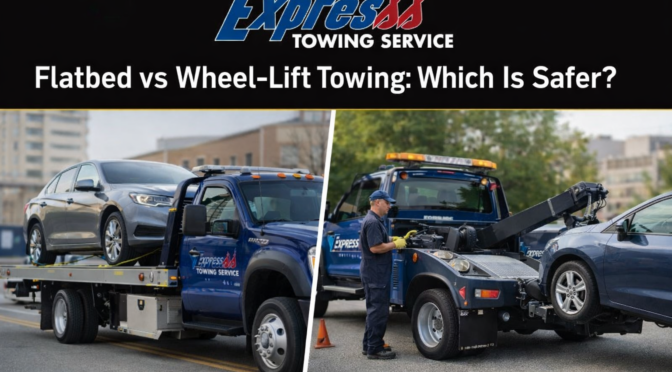
Flatbed vs Wheel-Lift Towing: Which Is Safer?

When your car has been broken down or there is an accident, selecting the right towing process can directly impact safety and damage prevention. Understanding flatbed towing vs wheel lift towing helps you make informed decisions during stressful roadside situations. At Express Towing Service Corporation, we will also direct you on the safest towing procedure depending on the vehicle, road conditions and urgency. Our mission is to cushion your car body, motor, and suspension as well as ascertain that it meets the transportation safety regulations on the road in Ottawa.

Safest Towing Method for Different Vehicle Transport

The same equipment cannot be used to move all vehicles. The selection of tow truck types is determined by weight allocation, drive train arrangement and body design.

Safety Considerations in Towing Selection

  • Vehicle Design and Drivetrain Compatibility

All-wheel drive, front-wheel drive, and rear-wheel drive cars will need new handling methods to prevent the strain on the transmissions, breakage on the axles, and wear of tires during transportation.

  • Road and Traffic Conditions

The city traffic, the street space, and the highway recovery area influences the type of towing method that is more controllable and visible to the operator and road users.

Understanding Flatbed Towing

Flatbed towing involves the use of a hydraulic platform which lifts the entire car out of the road. This process removes the contact of tires with the pavements during transportation. When evaluating flatbed vs wheel lift, flatbed towing is often chosen for high-value, low-clearance, or accident-damaged vehicles.

Flatbed Towing Capabilities

  • Complete Vehicle Elevation for Maximum Protection

The vehicle is clamped to the platform and the vehicle does not rotate on the drivetrain, avoiding the possibility of scraping underneath parts or straining the suspension during transportation.

  • Stable Transport for Long Distances

Flatbed systems maintain consistent balance, making them suitable for highway towing and long-distance vehicle relocation where road vibration could cause further damage.

  • Safer Option for Non-Operational Vehicles

Vehicles with locked wheels, broken axles, or severe mechanical failure can be loaded safely without requiring rolling movement.

Understanding Wheel-Lift Towing

Wheel-lift towing raises either the front or rear wheels while the other set remains on the road. This method is faster to deploy and useful in tight spaces. In the debate of flatbed vs wheel lift, wheel-lift towing is typically selected for short-distance recovery and accessible roadside situations.

Wheel-Lift Towing Capabilities

  • Efficient Recovery in Urban Areas

Compact design allows operation in parking lots, narrow streets, and congested areas where flatbed positioning may be difficult.

  • Reduced Setup Time for Quick Assistance

Faster attachment enables quicker roadside clearance, helping restore traffic flow and reduce exposure to accident risks.

  • Suitable for Standard Passenger Vehicles

Properly used wheel-lift systems can safely transport many sedans and light vehicles over short distances without excessive mechanical stress.

Tools and Equipment Used in Professional Towing

Modern towing safety relies on specialised tools designed to stabilise vehicles and prevent movement during transit. We invest in regulated towing equipment for consistent results.

Towing Technology and Materials

  • Hydraulic Lift and Winch Systems

These systems control vehicle loading angles and prevent sudden shifts, reducing the risk of body panel damage or alignment issues.

  • High-Tensile Straps and Wheel Nets

Secure fastening materials keep vehicles stable on the platform or lift system, preventing lateral movement during braking or cornering.

  • Underlift Frames and Dolly Units

Used when drivetrain protection is required, these tools prevent wheel rotation and protect transmission systems on sensitive vehicles.

Safety Standards and Compliance

Towing operations must meet strict road safety and transport regulations. Our procedures are structured around risk reduction and equipment inspection.

Our Safety Practices

  • Pre-Tow Vehicle Assessment Protocols

We inspect tire condition, steering lock status, and damage points to determine the safest attachment method before moving your vehicle.

  • Operator Training and Load Control Procedures

Our drivers follow defined load distribution and braking guidelines, ensuring safe manoeuvring in traffic and during highway transport.

  • Compliance with Local Transport Regulations

All towing operations align with Ottawa transport and safety standards to minimise liability and ensure legal roadside recovery.

Emergency and Accident Recovery Scenarios

Different emergencies require different towing solutions. Choosing the wrong method can worsen vehicle damage or delay recovery.

Problem-Solution Towing Approach

  • Collision and Breakdown Response

For accident-damaged vehicles, flatbed systems provide controlled lifting that prevents further stress on compromised frames and suspension systems.

  • Roadside Stall and Parking Lot Removal

Wheel-lift towing enables fast extraction when space is limited and traffic disruption must be minimised.

  • Severe Weather and Night-Time Recovery

Enhanced lighting, reflective materials, and stabilisation systems ensure visibility and safety during hazardous conditions.

Why Choose Express Towing Service Corporation

We combine technical towing knowledge with structured service delivery to ensure safe and efficient vehicle transport.

Our Service Advantages

  • Method Selection Based on Vehicle Condition

We assess whether flatbed or wheel-lift towing is safer for your specific situation, avoiding one-size-fits-all solutions.

  • Local Experience with Ottawa Road Networks

Familiarity with traffic patterns and recovery zones allows us to plan secure towing routes and reduce transit risks.

  • Transparent Process and Clear Communication

You receive explanations of towing methods and safety considerations before transport begins, helping you stay informed and confident.

Book Safe Towing in Ottawa Today

If you are facing a breakdown or need vehicle transport, choosing the correct towing method is essential for safety and damage prevention. Our team specialises in flatbed towing vs wheel lift towing, ensuring your vehicle is moved using the most suitable and secure method available. Contact us today to arrange professional towing in Ottawa and experience dependable service from Express Towing Service Corporation, where your vehicle’s safety comes first.

What to Do After a Car Accident Before Towing

Knowing what to do after a car accident for towing can protect your safety, your legal position, and your vehicle. In the moments following a collision, confusion and stress can lead to rushed decisions that create further risks. A structured response ensures injuries are addressed, hazards are controlled, and recovery steps are handled in the correct order before any towing action begins.

For drivers in Ottawa, understanding the correct post-accident process helps prevent secondary collisions, supports insurance claims, and ensures vehicles are recovered using approved methods rather than improvised solutions.

Insurance Towing Process and Immediate Safety Priorities

The insurance towing procedure starts with stabilization of the situation and recording of the occurrences. This stage is concerned with human safety in advance of vehicle movement.

  • Securing the Scene and Assessing Injuries

Once the vehicle is safely halted, the use of hazard lights and ensuring the occupants are not near the traffic should be resorted to. The first one is checking injuries and calling emergency services where needed. This minimizes chances of additional damages and the recovery of the vehicle will not be a priority over medical requirements.

  • Initial Documentation and Insurance Notification

There are categories of accidents that need to be reported to authorities based on the extent of damage or presence or absence of injuries. Official reports are records of the incident on a legal level. This makes the claims of insurance acceptable as well as eligible in accordance with the local laws.

Accident Recovery and Legal Responsibilities

Removal of a damaged vehicle is not the only part of accident recovery. It should be up to the rules of traffic and insurance.

  • Police Reporting and Compliance Requirements

Certain accidents must be reported to authorities depending on damage severity or injury involvement. Official reports create a legal record of the incident. This ensures accident recovery is recognized as legitimate and compliant with local regulations.

  • Choosing Authorized Towing Support

Unauthorized towing can complicate claims or lead to disputes over damage. The choice of a professional provider guarantees the transport of vehicles with approved procedures. This insures the rights of the driver and also the condition of the vehicle during transit.

Accident Towing Steps Before Vehicle Removal

Understanding accident towing steps prevents premature movement of the vehicle and preserves claim validity.

  • Power Isolation and Hazard Control

Turning off the engine, engaging the parking brake, and placing warning triangles or cones helps stabilize the situation. These actions prevent rolling hazards and secondary impacts. This creates a safer environment for responders and towing personnel.

  • Damage Assessment and Load Planning

Technicians evaluate wheel alignment, undercarriage condition, and fluid leaks before loading. This determines whether flatbed or wheel-lift towing is required. Correct load planning prevents additional mechanical damage.

Tools, Equipment, and Safe Recovery Methods

Professional towing relies on specialized equipment rather than improvised solutions.

  • Flatbed Trucks and Hydraulic Winches

Flatbeds lift vehicles fully off the road, reducing stress on damaged axles and suspensions. Hydraulic winches provide controlled pulling force. This ensures safe extraction even when vehicles are immobilized.

  • Protective Straps and Stabilization Gear

Soft straps and wheel restraints prevent shifting during transport. These materials distribute pressure evenly across the chassis. The outcome is reduced risk of transit-related damage.

Emergency Scenarios and Traffic Hazard Control

Some accidents occur in high-risk environments that require extra precautions.

  • Highway Collisions and Limited Visibility

Breakdowns on highways increase exposure to fast-moving traffic. Emergency lighting and rapid response coordination are essential. This minimizes collision risk for drivers and recovery teams.

  • Weather-Related Accidents

Snow, ice, or heavy rain reduce braking effectiveness and visibility. Towing procedures adjust speed and handling to match conditions. This ensures controlled accident recovery even in adverse environments.

Problem-Solution Framing for Post-Accident Decisions

Drivers often face the same challenges after collisions, especially when stress, shock, and time pressure interfere with clear judgment and informed decision-making at the roadside.

  • Uncertainty About Vehicle Condition

Many drivers assume short-distance driving is safe after an accident. Hidden damage to steering or braking systems can make this dangerous. Professional towing avoids mechanical failure during transit.

  • Pressure to Clear the Road Quickly

Although clearing traffic is a priority, rushing without following the required procedures may cause complications in claims. Following structured accident towing steps balances urgency with safety. This protects both legal and physical outcomes.

Long-Term Impact of Correct Towing Decisions

Proper actions influence more than immediate recovery, shaping insurance outcomes, long-term repair costs, and the overall legal and financial position of the driver after an accident.

  • Preserving Insurance Coverage

Insurers expect documented and authorized recovery. Deviating from recommended procedures can affect compensation. Correct towing supports smoother claim resolution.

  • Protecting Vehicle Repair Viability

An impaired car should not be transported in an inappropriate way as this may further deteriorate the body alignment or structure. This increases the chance of full restoration rather than total loss.

Why Rely On Express Towing Service Corporation 

At Express Towing Service Corporation, we believe that local expertise improves response efficiency.

  • Knowledge of Traffic Patterns and Regulations

Knowledge of Ottawa road layouts and reporting makes it quicker to respond and make sure the recovery is legal. This reduces delays and compliance risks.

  • Coordinated Response With Insurers and Authorities

We work alongside police and insurance providers. This brings about a cohesive recovery process. Drivers have the benefit of less administrative load.

Get Immediate Help After an Accident in Ottawa

A car accident can leave you unsure of the next step, especially when your vehicle is unsafe to drive. Knowing what to do after a car accident for towing can protect your safety, your insurance claim, and your vehicle from further damage. From scene stabilization to compliant recovery methods, every stage of towing must follow proper procedures to avoid legal or mechanical complications.In case of an emergency and you need professional help, Express Towing Service Corporation offers rapid and controlled accident recovery services in Ottawa. Call our team today to make sure your car is attended to safely, properly and within the accepted accident towing procedures.