

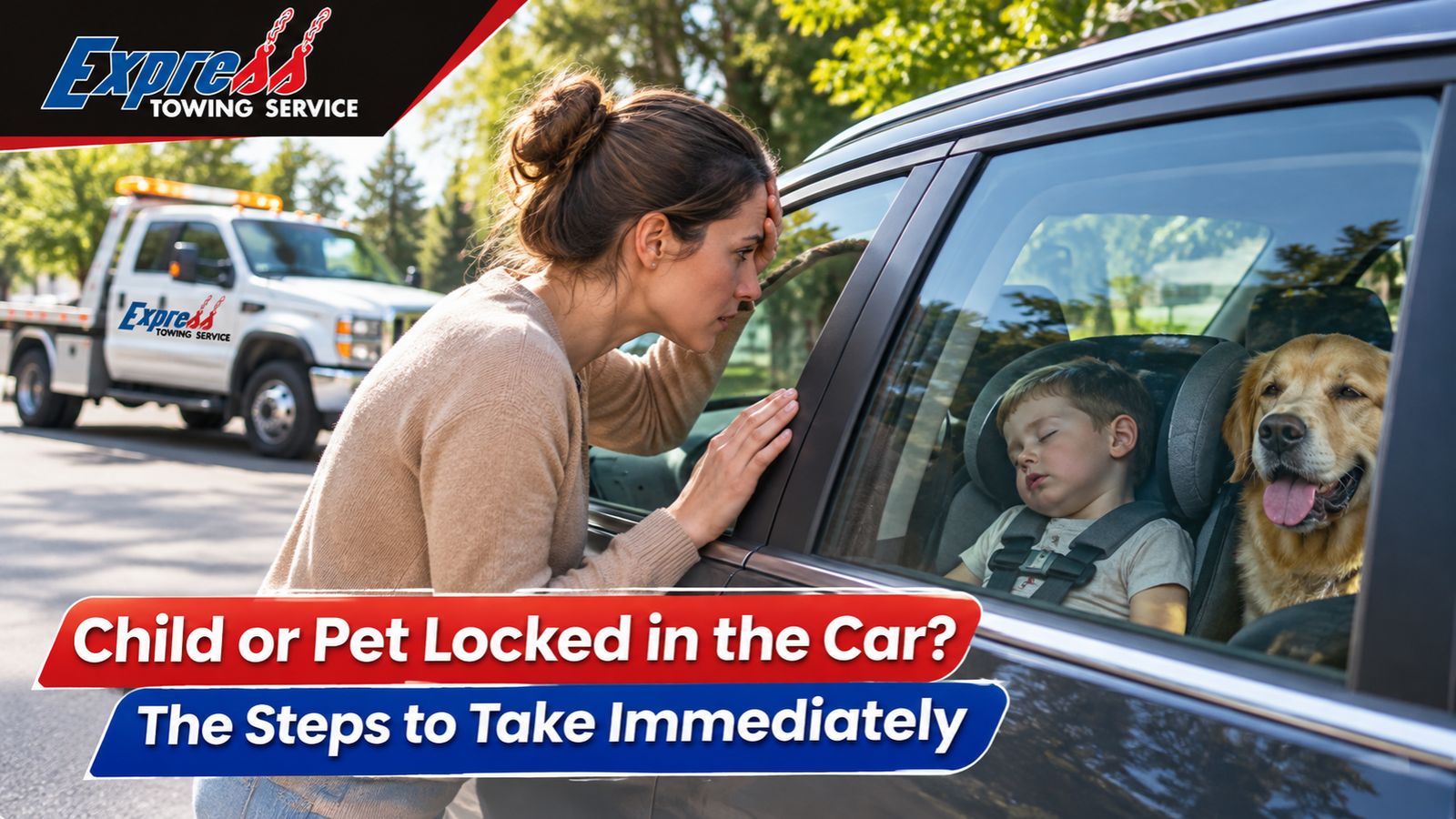
You buckle your toddler into the car seat, close the door and walk around to the driver’s side. Then you hear the click. The doors are locked, the keys sit on the seat, and your child is inside.
Few moments feel more frightening. A Child or Pet Locked in the Car is not an ordinary lockout. It needs fast, calm decisions, and the right first call matters.
This guide walks you through exactly what to do, in the order you should do it. It explains when to call emergency services first and when an emergency car unlocking service Canada families rely on is the right choice.
You’ll also learn how trained car unlocking specialists lockout rescue teams work, what mistakes to avoid, and how to stop this from happening again.
Most of these calls do not come from careless people. They come from loving parents and pet owners caught by ordinary, everyday moments.
A closed car changes temperature far faster than most people expect. That is why this situation calls for urgency.
Sunlight passes through the windows and heats the cabin like a greenhouse. The inside of a car can become dangerously hot within minutes, even when the outdoor temperature feels pleasant. Children’s bodies heat up faster than adults’ bodies, and dogs cool themselves mainly by panting, which works poorly in hot, still air. Cracking a window does very little to help.
In cold weather, a parked car loses heat steadily, and a small child or pet can become dangerously cold. If the engine is running with the keys locked inside, check the tailpipe right away. Snow blocking the exhaust can push carbon monoxide into the cabin. This gas has no smell or colour, which makes it especially dangerous.
Look closely at your child or pet through the window. Watch for signs of distress such as heavy sweating, flushed or pale skin, crying that turns weak, unusual sleepiness or confusion. In dogs, watch for heavy panting, drooling, weakness or collapse.
If you see any sign of distress, or if the car sits in strong sun or severe cold, call 911 first. Emergency responders can act fast and provide medical help if needed. Do not wait for a locksmith or a spare key when someone’s health is at risk.
If your child or pet seems calm and comfortable, and conditions stay mild, call a trained lockout professional. Tell the dispatcher clearly that a child or pet is inside. Reputable providers treat these calls as top priority. Keep watching the cabin closely, and call 911 straight away if anything changes.
While you wait, think about other fast solutions. Does a family member or neighbour have a spare key nearby? Does your vehicle have a manufacturer app that unlocks the doors remotely? Ask someone else to check these options while you stay beside the car.
Stay right next to the window where your child or pet can see you. Talk gently and keep your voice steady. Children often copy the emotions they see, so your calm helps them stay calm. Never walk away from the car, even briefly.
If your child or pet shows signs of distress and help has not yet arrived, breaking a window may become necessary. Choose the window farthest from the child or pet. Protect your hand and arm, and clear the broken glass carefully before reaching inside. Follow the guidance of the 911 operator if they are on the line.
A professional lockout technician works differently from someone using a coat hanger. Trained car unlocking specialists lockout rescue technicians use purpose-built tools designed to open doors without damaging locks, wiring, airbags or window seals.
They also follow a careful routine. Before they start, they confirm the situation and ask you to verify that the vehicle belongs to you. This ownership check protects every car owner, including you. Once inside, they hand control back to you right away so you can reach your child or pet.
Picture a common case. A parent calls in after their toddler locks the car using the key fob in a grocery store parking lot. The child stays calm in the car seat, and the weather is mild. The technician arrives, confirms the details, opens the door without damage and the family drives home without a scratch on the car.
Many drivers worry about car lockout service Canada cost in the middle of a lockout. The final amount usually depends on a few clear factors.
Here’s the honest truth: when a child or pet sits inside a locked car, cost should never delay your decision. Their safety comes first, every time. A trustworthy provider explains charges clearly before starting any work, so you never face surprises.
Our technicians at Express Towing Services see these calls often, and a few simple habits prevent most of them.
A Child or Pet Locked in the Car demands quick, clear thinking. Check their condition first. Call 911 straight away if there is any sign of danger. If they stay calm and comfortable, call a trained professional and stay beside the car until help arrives.
When you need an emergency car unlocking service Canada families can trust, Express Towing Services treats every call involving a child or pet as a priority. Our team works carefully, protects your vehicle and keeps you informed at every step.
Our trained car unlocking specialists lockout rescue technicians use proper tools and safe methods to get you back inside without damage. Save the Express Towing Services number in your phone today, so help is always one call away.
If your child or pet shows any sign of distress, or the car sits in strong sun or severe cold, call 911 first. Emergency responders can act fast and provide medical care. If your child or pet seems calm and conditions stay mild, calling an emergency car unlocking service Canada families trust is a sensible choice. Keep watching closely, and call 911 immediately if their condition changes.
When a child or pet shows signs of distress and help has not arrived, breaking a window can be the right decision. Choose the window farthest from them, protect your hand and arm, and clear the glass carefully before reaching in. If you are on the phone with 911, follow the operator’s guidance. A window can be replaced, but a child’s or pet’s health cannot.
A closed car can turn dangerous for a dog within minutes, even on days that feel mild outside. Dogs cool themselves mainly by panting, and that works poorly in hot, still air. Watch for heavy panting, drooling, weakness, glazed eyes or collapse. In winter, dogs also face cold stress inside an unheated car. Treat any pet lockout as urgent, and call 911 if signs of distress appear.
The car lockout service Canada cost depends mainly on your vehicle type, its security system and the conditions at your location. Cars with advanced electronic locks or deadlocking features may need more specialized tools. Remote areas and severe weather can also affect the service call. A trustworthy provider explains charges before starting work. When a child or pet sits inside, never let cost delay your call for help.
A trustworthy technician checks ownership to protect every vehicle owner from theft. They usually ask for identification and proof that the vehicle belongs to you, such as registration documents. In urgent child or pet situations, professionals focus on safety first and complete checks quickly. Trained car unlocking specialists lockout rescue teams follow this step because it reflects honest, responsible service, and it protects your own car too.


